Patient Education
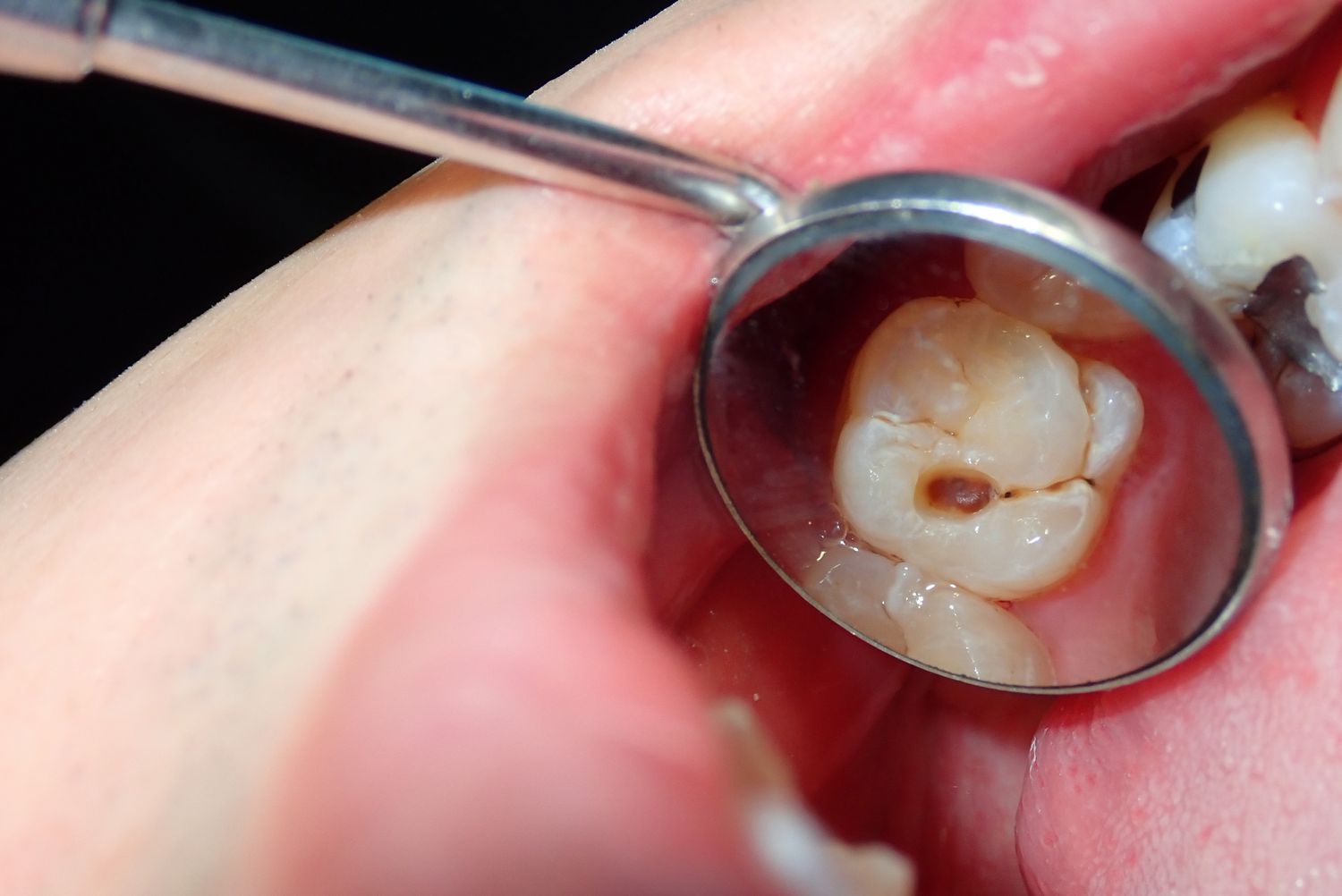
Cavities are permanently damaged areas in the hard surface of your teeth that develop into tiny openings or holes.Cavities, also called tooth decay or caries, are caused by a combination of factors, including bacteria in your mouth, frequent snacking, sipping sugary drinks and not cleaning your teeth well.A dentist can prescribe fluoride treatments like mouthwash or varnish to reverse early tooth decay. You'll probably need a filling if you have a hole (cavity) in your tooth. If tooth decay has reached the soft tissue (pulp) in the middle of your tooth, you may need root canal treatment.
Experience
Quality
Positive
24 Hours
Patient Education
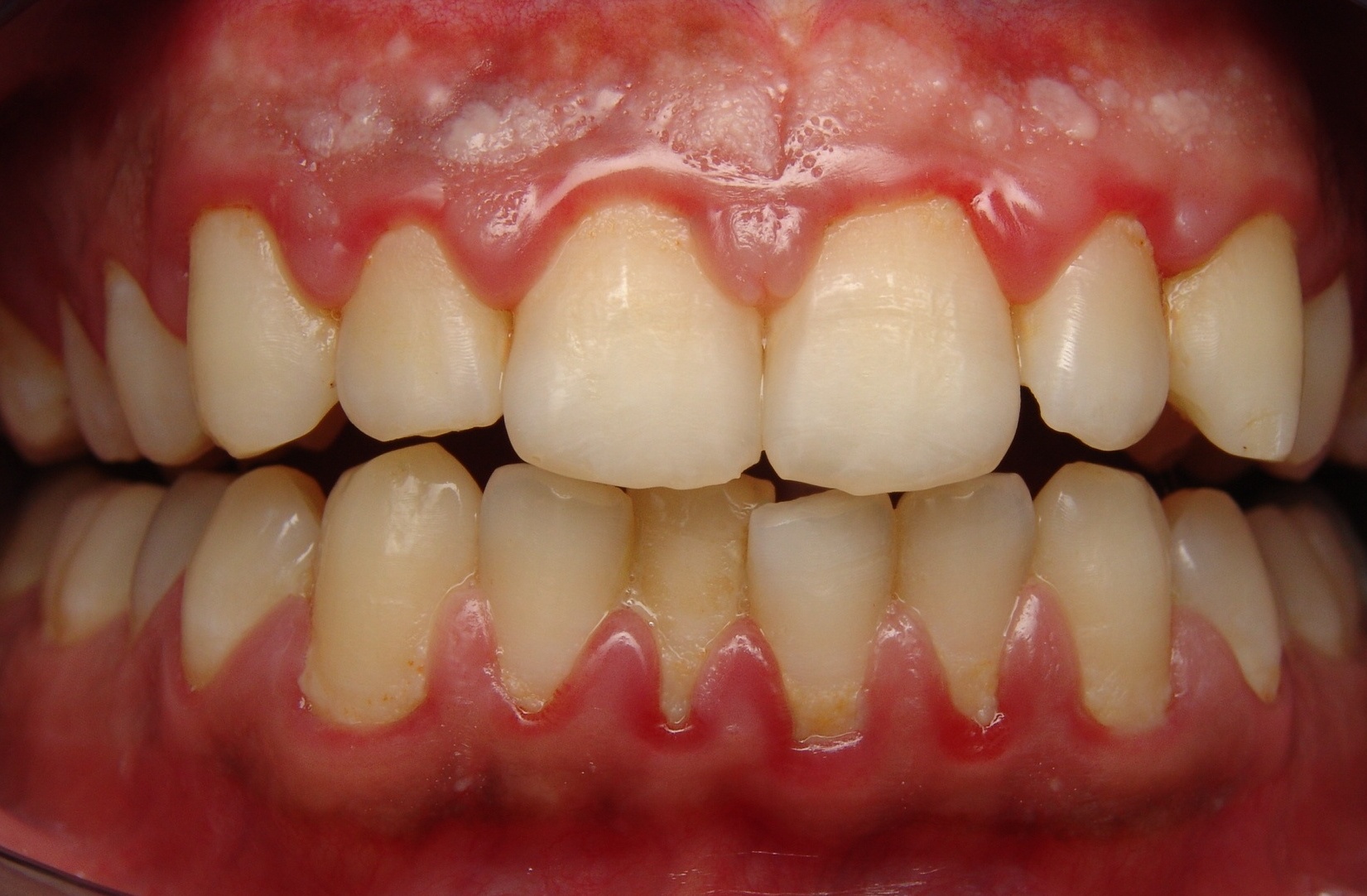
Gum infections occur due to a buildup of bacteria in and around the gums. People can take steps to help prevent gum infections, such as practicing good oral hygiene and avoiding tobacco. Seeing a dentist for regular checkups is also important because they can help break away tartar to prevent infection.
Experience
Quality
Positive
24 Hours
Patient Education
Teeth sensitivity can occur when you consume hot, cold, sweet or sour foods and drinks, or even by breathing cold air. Pain can be sharp, sudden and shoot deep into tooth nerve endings. Treatments include fluoride, desensitizing toothpaste and dental bonding.
Experience
Quality
Positive
24 Hours
Patient Education
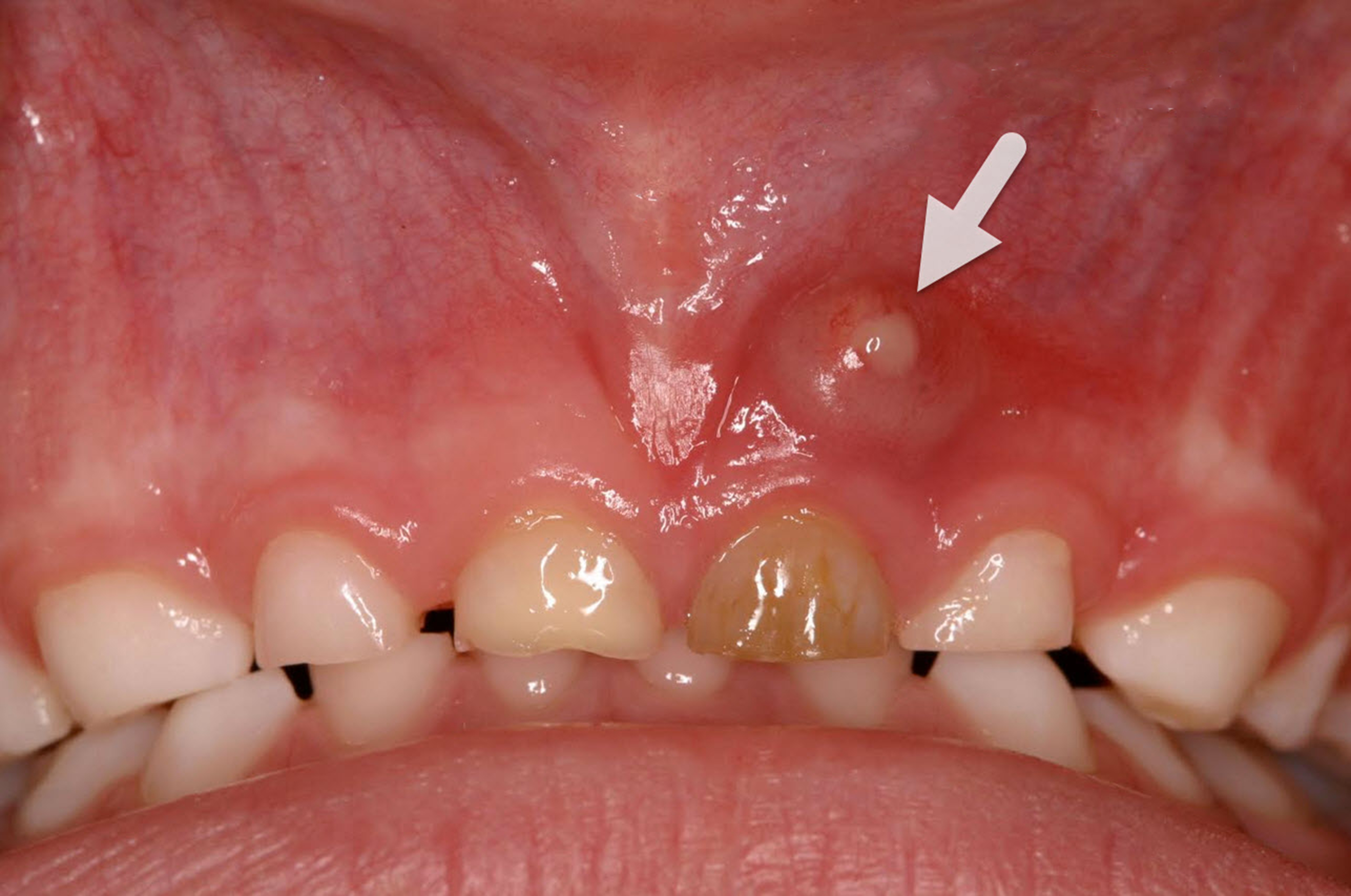
A periapical tooth abscess usually occurs as a result of an untreated dental cavity, an injury or prior dental work. The resulting infection with irritation and swelling (inflammation) can cause an abscess at the tip of the root. Dentists will treat a tooth abscess by draining it and getting rid of the infection.
Experience
Quality
Positive
24 Hours